
Many Independent Centers of Power
My great-great grandfather left Germany about 1810 because neither he nor most of his siblings could find work, and also because, by remaining in Germany, he risked having to submit the forced-recruitment of German males by the French occupation-government, to feed Napoleon Bonaparte's dreams of world conquest.
Even before he left Germany, he found business opportunities limited. To practice some trades, he had to join a guild and submit to its restrictions and control of his career. To start his own business, he had to apply for permission from the ruling royal government. None of that appealed to him, so he decided to leave Germany.
I can place him, through correspondance that he left behind, in Paris in 1812, in Amsterdam in 1815, and in London in 1818. From there, he cast his fate to the wind, literally, and sailed to America, disembarking in Charleston, South Carolina, where anyone could start a business. He just applied for a business license, like everyone else did, and opened his own shop, where he sold anything to do with music. The many useful relationships he had cultivated from his earlier travels across Europe made his work easier, and he turned to them to help him build his inventory and customer-base.
Great-great grandfather also had a civic sense about his new homeland and joined a fire brigade, to which his father-in-law, another German, also belonged. His father-in-law tragically lost his life fighting the horrible fire of 1838. Burnt out of his home, great-great-grandfather's family had to spend the night on the street in the cold, alongside hundreds of other Charlestonians.
Every generation of our immigrant-driven country remembers stories like this. Immigrant-energy and a strong desire to work hard and build things from scratch has defined our nation's history. Released from the restrictions that they had faced in their home countries, they awakened to the opportunities presented to them and made out like bandits. My father, serving in the U.S. Army during World War II, remembered how his commanding officer struggled through the pronunciations of his troops' ethnic names.
The experiences of my great-great-grandfather and many others confirm for me that America offers more opportunities to immigrants than any nation on the planet. So, as an American citizen, I prefer that the government maintains its freedom-loving, constitutionally-based, risk-taking society. I prefer it for one reason only--because it works better than anything other system. It releases the desire of thousands of people to build businesses and commercial networks. Whatever wealth they create, they get to keep. A freedom-loving society releases man's potential.
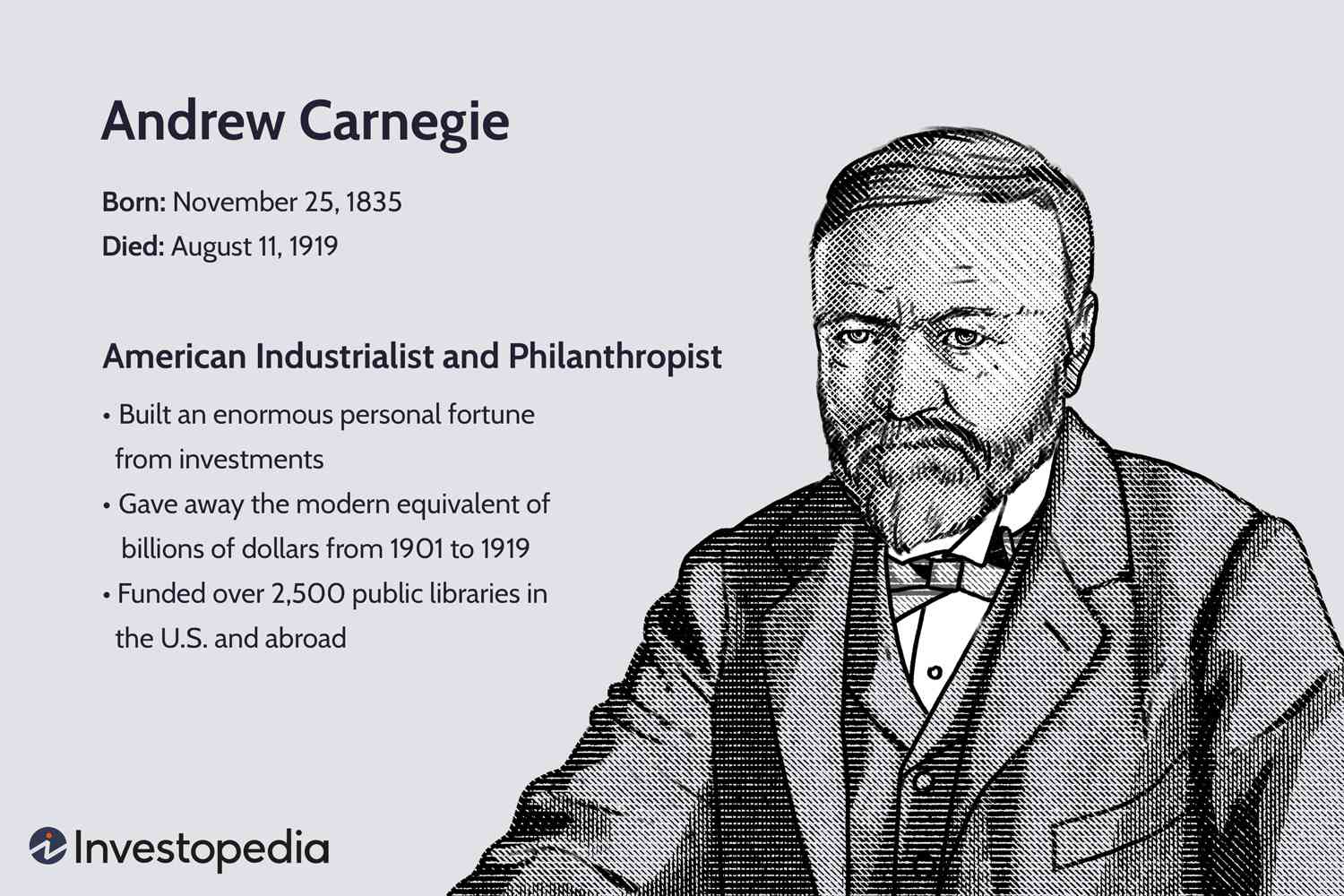
In a manner of speaking, a freedom-loving society answers a primordial call-of-nature in people to create and rule, build castles, and create private, exclusive social networks. In Medieval times, leaders thirsted for conquest and plunder. A modern, freedom-loving society channels that destructive energy into more civilized, creative endeavors, but modern man substitutes employees for soldiers, modern, commercial techology in the place of weapons, and profit in the place of war-booty.
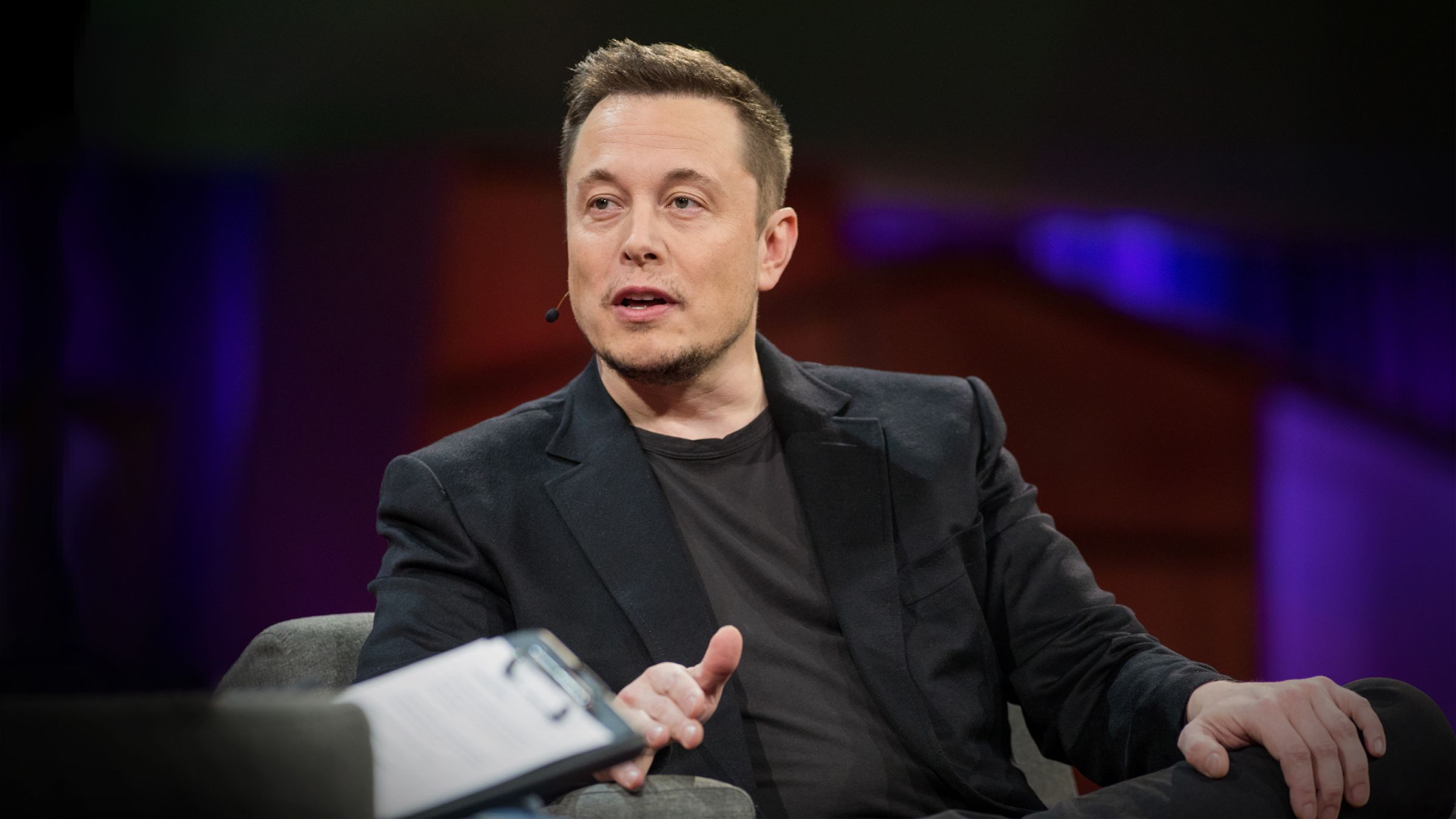
Elon Musk
Governments only have to allow such a society to happen. Based on the American result, I have to wonder why more of the world's nations don't use the free-society model? It is not perfect, but it provides—something most of the World's nations have not done—and produces the best results of any nation.
The actions of thousands of business-builders create independent centers of power on the American landscape, which is a lot better than a single, all-powerful monarchy. The functioning of those commercial centers has to follow the rules set up to protect the public and to satisfy compliance-type bureaucrats. Otherwise, they differ from one another, developing corporate personalities as unique as the autocratic, driven men and women who create them.
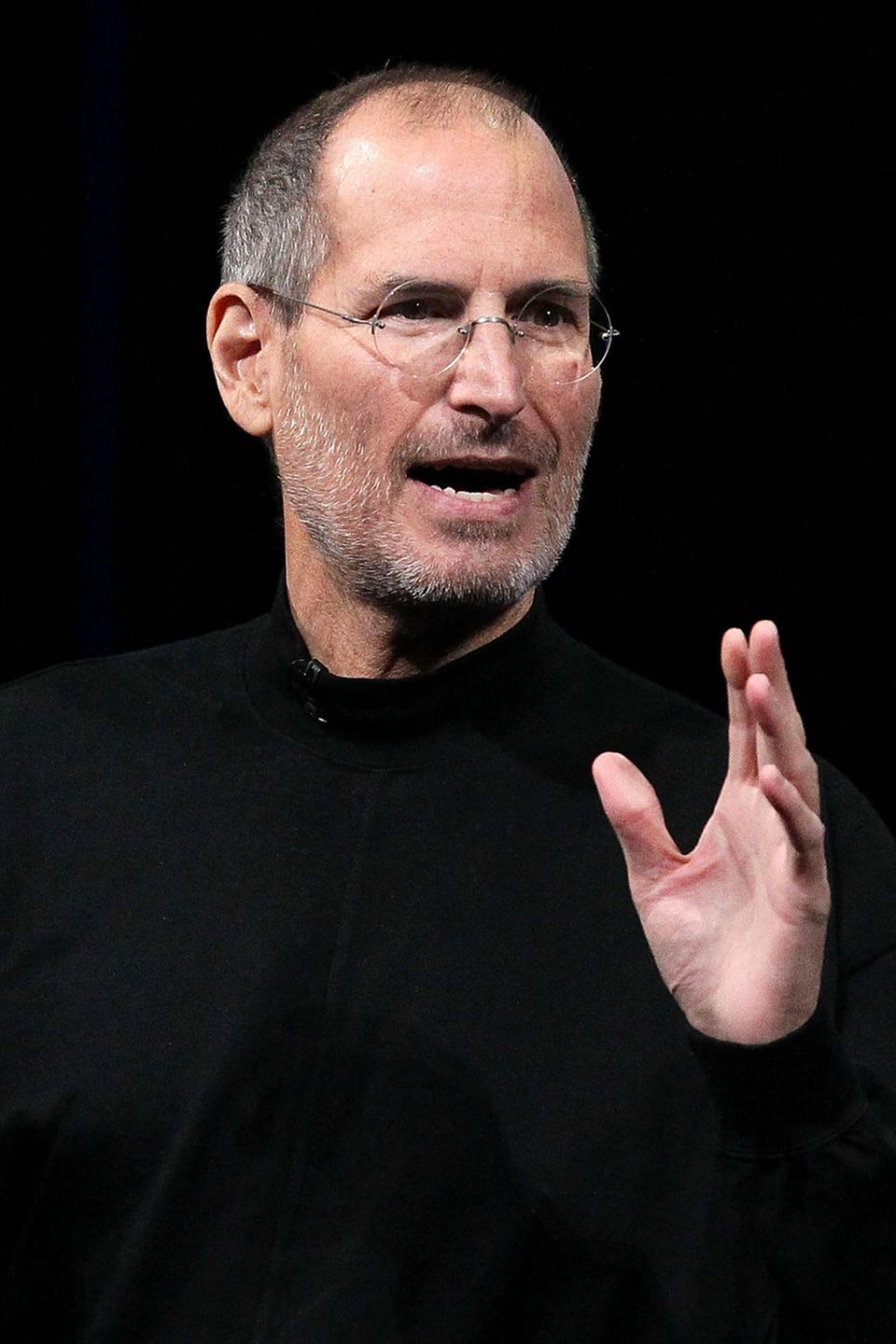
Steve Jobs, creator of Apple Computers